Author: Dr. Sulbha Midha

  • What Are TMJ Symptoms?

    What Are TMJ Symptoms?

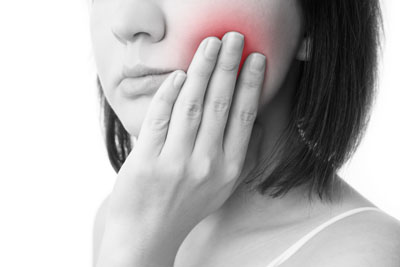
    TMJTemporomandibular joints better-known as TMJ connect your jawbone to your skull. There is one on each side of your face. Your TMJ act as sliding hinges, allowing you to move your jaw when you speak, eat or otherwise move your mouth.

    A TMJ disorder occurs when one or both of these joints becomes damaged due to accidents, misaligned teeth, grinding your teeth, or inflammation due to other health issues. Regardless of the cause, TMJ disorders tend to come with lots of pain and discomfort.

    Fortunately, the discomfort and pain with most cases of TMJ disorders can dissipate with therapy, medication, and surgery. Surgeries are typically a last resort option after more conservative solutions fail to address the issue.

    Symptoms of temporomandibular joint disorders include:

    • Jaw pain

    • Pain in the TMJ

    • Ear, facial, and neck pain

    • Pain when opening your mouth

    • Difficulty chewing

    • Locking of TMJ joints

    • Clicking or popping sounds when the mouth is moved

    • Headaches

    Figuring out if you need to see a dentist

    We recommend calling us if you experience constant pain and tenderness in your jaw. You should also seek professional help if you are having a hard time fully opening or closing your mouth.

    We will narrow down possible causes of your disorder and come up with the least invasive solutions possible.

    Causes of TMJ disorder

    As we mentioned earlier, your TMJ serve as hinges that can slide from side to side. The bones that meet at the temporomandibular joint has cartilage that protects it and a disk that serves as a shock absorber – which is normally enough to move the jawbone without issue.

    A TMJ disorder occurs if:

    • The disk becomes misaligned

    • The disk becomes eroded

    • The cartilage is compromised by impact

    • The cartilage is compromised by diseases such as arthritis

    Other factors that can put you at an increased risk of developing a TMJ disorder include:

    • Jaw injuries caused by trauma

    • Persistently grinding and clenching teeth

    • Diseases like osteoarthritis and rheumatoid arthritis

    • Connective tissue diseases

    Dentists typically have three ways they go about treating TMJ disorders:

    1. Medication

    Your dentist might prescribe pain-relievers to help you deal with the pain and inflammation. Over the counter medication will at least provide temporary relief for the pain. However, store-bought medication will not be a permanent treatment option.

    2. Therapy

    For less severe cases, your dentist might decide to go with TMJ strengthening exercises that are designed to help rebuild your jaw muscles. You might also be prescribed a mouth guard or braces.

    3. Surgery

    Surgery is the last resort solution we will consider when nothing else works as a treatment. In these cases, we will go over all of the details with the patient beforehand.

    That’s not all…

    For more TMJ information or to schedule an appointment with Healthy Smiles Dental Care,request an appointment in our Mason dental office here: https://healthysmilesmason.com. Or call us at (513) 339-1032.


    Related Posts

    March 20, 2018

    What Are TMJ Symptoms?

    Temporomandibular joints better-known as TMJ connect your jawbone to your skull. There is one on each side of your face. Your TMJ act as sliding hinges, allowing you to move your jaw when you speak, …

    February 16, 2018

    Schedule a Dental Restoration and Save Your Tooth

    Many people lose hope when they realize their tooth is facing decay, but our dental restorations can save your tooth. When you have a cavity or another form of damage, it is imperative that you …

    January 12, 2018

    What Are Implant Supported Dentures?

    The transition to dentures can be both an exciting and unnerving time in your life. First of all, your lifestyle is going to improve immeasurably: you’ll be able to eat, talk, swallow and smile in …

    December 14, 2017

    As a Cosmetic Dentist, We Can Tell You About Dental Veneers

    Many people prefer to have their teeth drastically improved by a cosmetic dentist, with the least amount of chair time possible. We understand how hard it is to set your valuable time aside in order …

  • Schedule a Dental Restoration and Save Your Tooth

    Schedule a Dental Restoration and Save Your Tooth

    Dental RestorationMany people lose hope when they realize their tooth is facing decay, but our dental restorations can save your tooth. When you have a cavity or another form of damage, it is imperative that you get treatment immediately. Having part of your natural tooth intact is a huge benefit when it comes to preventing further oral damage. We can save your tooth and give you a brighter future by ensuring that you can continue to eat like normal and speak clearly. The two forms of restoration we implement are direct and indirect. Both dental restoration practices focus on preserving your natural tooth as much as possible and giving you an attractive, natural appearance.
    Types of dental restorations

    Direct dental restorations

    We use a direct restoration when it will be easy to fix the cavity without complications. There are different types of fillings for direct dental restorations. A few of the affordable and durable options include composite resin, a popular tooth-colored, lasting option; glass ionomers, also tooth-colored, but mainly for low weight-bearing areas; cast gold, an aesthetically-pleasing alternative to silver fillings and extremely long-lasting; silver amalgam, also long lasting but much less expensive; or ceramic, tooth-colored, resilient, but a little more pricey than some options. The fillings we offer all have adequate levels of durability and are very resilient to discoloration and erosion. This will prevent further damage to the tooth.

    Indirect dental restorations

    The second type of dental restorations we offer is an indirect dental restoration. Indirect restoration is used for slightly more complex issues in teeth. If the patient has a large cavity, a crack in a tooth, extensive damage, or a big chip or break, we can provide customized solutions. The inlays, onlays, and crowns create attractive, lasting repairs that enable the patient to preserve the remainder of the tooth. Inlays are the least invasive, providing coverage similar to that of fillings, but slightly more in depth.

    Onlays are much like inlays, but they cover one or more cusps of the tooth. The cusps of the tooth are the jagged points on the tooth. Crowns cover the entirety of the tooth, providing extra brawn for the tooth. These all preserve the natural tooth. Having the natural tooth still intact gives the mouth extra strength and the upper hand on future oral health complications. If your restoration needs are small or great, our dental restoration services can save your tooth with ease, preventing further oral infections. Our solutions are incredibly affordable, and they work. You will not face any discomfort, and you will be pleased with your appealing, fortified results. Dental restorations can improve your confidence, happiness, and overall health.

    We want to help you retain as many of your original teeth as possible. This will save people a lifetime of hassle and help prevent them from having to get false teeth, dentures, implants, and dental bridges. These are expensive procedures that people can avoid by receiving a preventative dental restoration in the present. We create a comfortable environment and deliver unbelievably enduring and realistic-looking solutions for your dental restoration needs.

    For more information or to get started, call Healthy Smiles Dental Care at (513) 339-1032 and schedule an appointment today in our Mason dental office.


    Related Posts

    February 16, 2018

    Schedule a Dental Restoration and Save Your Tooth

    Many people lose hope when they realize their tooth is facing decay, but our dental restorations can save your tooth. When you have a cavity or another form of damage, it is imperative that you …

    March 20, 2018

    What Are TMJ Symptoms?

    Temporomandibular joints better-known as TMJ connect your jawbone to your skull. There is one on each side of your face. Your TMJ act as sliding hinges, allowing you to move your jaw when you speak, …

    January 12, 2018

    What Are Implant Supported Dentures?

    The transition to dentures can be both an exciting and unnerving time in your life. First of all, your lifestyle is going to improve immeasurably: you’ll be able to eat, talk, swallow and smile in …

    December 14, 2017

    As a Cosmetic Dentist, We Can Tell You About Dental Veneers

    Many people prefer to have their teeth drastically improved by a cosmetic dentist, with the least amount of chair time possible. We understand how hard it is to set your valuable time aside in order …


  • What Are Implant Supported Dentures?

    What Are Implant Supported Dentures?

    Implant Supported DenturesThe transition to dentures can be both an exciting and unnerving time in your life. First of all, your lifestyle is going to improve immeasurably: you’ll be able to eat, talk, swallow and smile in a whole new way. Implant patients also report a dramatic rise in their self-esteem and confidence, as their new smiles radiate from well below the surface. With the new and improved technology of dental implants, you can rest assured knowing that your dentures are going to be that much more secure. Implant supported dentures are fixed, meaning they stay in at all times so you can enjoy the food you want and talk without worrying that your dentures will slip.

    Learn about implant supported dentures

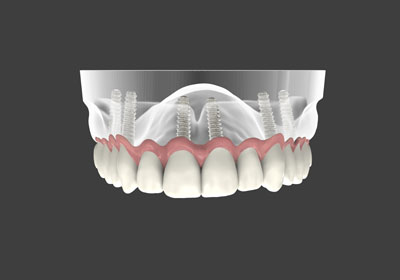
    Unlike a regular denture, which rests on your gums, implant supported dentures are anchored in your mouth by dental implants. Most often, this form of denture is placed in the lower jaw because dentures tend to be less stable in the lower jaw. However, implant supported dentures can be placed in in the upper jaw as well. In this type of denture, your implant supported denture snaps into place on the implants surgically placed in your jaw. This prevents the denture from slipping or coming loose in the mouth. It also removes the need for denture paste or adhesives. The implant supported denture can be removed at night for cleaning or, if you have a fixed implant supported denture placed, your dentures will act as permanent teeth.

    There are two types of implant-supported dentures: bar-retained and ball-retained. In both cases, the denture will be made of an acrylic base that will look like gums. Porcelain or acrylic teeth that look like natural teeth are attached to the base.
    Bar-retained dentures – A thin metal bar that follows the curve of your jaw is attached to two to five implants that have been placed in your jawbone. Clips or other types of attachments are fitted to the bar, the denture or both. The denture fits over the bar and is securely clipped into place by the attachments. 
    Ball-retained dentures (stud-attachment dentures) – Each implant in the jawbone holds a metal attachment that fits into another attachment on the denture. In most cases, the attachments on the implants are ball-shaped (“male” attachments), and they fit into sockets (“female” attachments) on the denture. In some cases, the denture holds the male attachments and the implants hold the female ones.

    Implant-supported dentures offer a number of benefits over traditional dentures. Patients with implant-supported dentures can eat, speak, and smile with confidence, knowing that their dentures are securely in place. Further, implant-supported dentures can actually improve a patient’s oral health. After implant-supported dentures are in place, patients should properly care for their teeth and gums. The dentures, gums, and tongue should be brushed twice a day. Patients should also floss daily to remove debris between the teeth; though false teeth won’t become damaged by decay, plaque build-up can still cause gum disease and bad breath. Patients with dentures should also schedule dental visits every six months so their dentists can check the fit of the dentures and look for signs of dental problems.


    Related Posts

    January 12, 2018

    What Are Implant Supported Dentures?

    The transition to dentures can be both an exciting and unnerving time in your life. First of all, your lifestyle is going to improve immeasurably: you’ll be able to eat, talk, swallow and smile in …

    October 16, 2017

    Tips for Caring For Your New Set of Dentures

    Dentures can replace your teeth so that if you have, for whatever reason, lost one or more, of your adult teeth, you do not have to go through life feeling self-conscious every time that you …

    March 20, 2018

    What Are TMJ Symptoms?

    Temporomandibular joints better-known as TMJ connect your jawbone to your skull. There is one on each side of your face. Your TMJ act as sliding hinges, allowing you to move your jaw when you speak, …

    February 16, 2018

    Schedule a Dental Restoration and Save Your Tooth

    Many people lose hope when they realize their tooth is facing decay, but our dental restorations can save your tooth. When you have a cavity or another form of damage, it is imperative that you …


  • As a Cosmetic Dentist, We Can Tell You About Dental Veneers

    As a Cosmetic Dentist, We Can Tell You About Dental Veneers

    Cosmetic DentistMany people prefer to have their teeth drastically improved by a cosmetic dentist, with the least amount of chair time possible. We understand how hard it is to set your valuable time aside in order to make endless dentist visits to improve your teeth. A popular way to enhance your appearance today is by the use of dental veneers.
    Dental veneers give you immediate, attractive results without requiring all the dentist visits and adjustments that braces and other more extensive treatments require. Here are the answers to a few common questions concerning veneers to explain the effectiveness of the veneers.

    If I get dental veneers, will my teeth look fake?

    Today’s veneers are more realistic-looking than ever before. We now have advanced technology that allows us to improve and restore front teeth with ceramic dental veneers. These have a translucency and sheen that likens them to natural teeth. Dental veneers do not react negatively to oral tissues and will not irritate the gums. Dental veneers are one of the most natural-looking improvements that we can accomplish.

    What do veneers fix?

    As a cosmetic dentist, our veneers cover a variety of dental imperfections, including teeth that are crowded, crooked, blemished, chipped, cracked, discolored, or have spacing issues. Many patients who do not want braces or other long-term straightening methods prefer our dental veneers. They can offer you immediately straightened results in only two visits to our office.

    What exactly are veneers in simple terms?

    Veneers are extremely thin shells of porcelain/ceramic material that we bond to the fronts of the teeth for a realistic-looking dental improvement. The cosmetic dentist will take a detailed impression of the teeth during the first visit. We will use the impression to customize the veneers. Once the veneers are ready, we will securely adhere them to the fronts of the teeth with a dental cement.

    Are dental veneers durable and long-lasting?

    As a cosmetic dentist, we can reinforce, restore, and improve teeth with our quality dental veneers, they will stay in place for many years. The materials they are made of are similar in resistance to natural teeth. If the patient wants the longest life for dental veneers, there are a few precautions we advise. If the patient struggles with teeth clenching or grinding, especially at night, we can provide the patient with a night guard to protect the veneers from unnecessary wear.

    The patient may also want to reduce the intake of sticky, extra hard, sugary, and acidic food or drink items. These will cause more strain on both the natural teeth and dental veneers. The patient should also remember to brush at least twice daily and to floss at least once a day. All of these precautions will ensure the long life of the dental veneers. Many patients report that their veneers last for 20 years or more without the need for improvements or replacements.

    When you want to fix your teeth quickly and still acquire long-lasting results, we advise you to learn more about our cosmetic dentist dental veneers option. Healthy Smiles Dental Care can help you attain your desired results with minimally invasive procedures in a timely fashion.


    Related Posts

    December 14, 2017

    As a Cosmetic Dentist, We Can Tell You About Dental Veneers

    Many people prefer to have their teeth drastically improved by a cosmetic dentist, with the least amount of chair time possible. We understand how hard it is to set your valuable time aside in order …

    April 14, 2017

    A Cosmetic Dentist Can Close Gaps in Your Teeth

    As a cosmetic dentist in Mason, we correct a variety of challenges that people have with their teeth, among them closing unsightly gaps. This is a fairly common problem to have. Many people end up …

    February 16, 2018

    Schedule a Dental Restoration and Save Your Tooth

    Many people lose hope when they realize their tooth is facing decay, but our dental restorations can save your tooth. When you have a cavity or another form of damage, it is imperative that you …

    March 20, 2018

    What Are TMJ Symptoms?

    Temporomandibular joints better-known as TMJ connect your jawbone to your skull. There is one on each side of your face. Your TMJ act as sliding hinges, allowing you to move your jaw when you speak, …


  • Planning for Your First Family Dentist Visit

    Planning for Your First Family Dentist Visit

    Family DentistVisiting the family dentist may not be the most fun trip in the world, but it is one that helps families keep up their oral hygiene and great teeth together. There are numerous advantages to having a family dentist, someone who sees everyone in the family, from Grandma to the newest born child. The most important thing from our perspective is the sense of trust we can build up over time, which is a privilege granted by families to very few service providers, sometimes only their family physician.

    Building trust with patients

    Think about it from a child’s perspective. The dentist office can be a scary place for many children, with strange tools, people in white lab coats, and all the unnamed fears that go with visiting a medical provider in the first place. However, a child quickly learns there is nothing to fear as they see us interacting with the parent.

    Children learn by watching, so as they watch us perform regular maintenance work on teeth, like cleaning and a bi-annual examination, they learn there is nothing to fear. Things like X-rays become more interesting with observation and learning. Ironically, having the same family dentist for both parents and their children also helps to build up parent’s confidence and diminish any sense of anxiety about the parent’s own teeth that they might have when visiting the dentist.

    After all, the family dentist who treats the child is someone parents want to innately trust. As we get treat older patients, we hope this trust has manifested itself to the point where the parents can come to us for advice and ways to replace teeth as they are lost to age or disease. In essence, having a family dentist creates a lifetime of healthy opportunities.

    Advantages to having a family dentist

    Having a family dentist can also have significant other advantages. For example, and this is one of our favorites, families can receive all necessary treatment in one location. This ability saves families the trouble of having to travel from one place to another seeking various treatment options. From cleaning and examinations to X-rays, fillings, and other regular dentistry, we do it all right here at the clinic.

    As children grow, their needs are going to constantly change, so having a provider who does it all for adults and children means the family will never have to change dentists to get those services. With more insurance plans having things like flexible spending accounts, there is a need for the dentist to be able to maximize the usage of the dental plans.

    When you are at Healthy Smiles Dental Care, a family dentist office, we can do this for the entire family so you are not having to keep track of who is getting what or how much it will end up costing you. Finally, scheduling becomes so much easier when you have one dentist office to bring the entire family to.


    Related Posts

    November 21, 2017

    Planning for Your First Family Dentist Visit

    Visiting the family dentist may not be the most fun trip in the world, but it is one that helps families keep up their oral hygiene and great teeth together. There are numerous advantages to …

    March 20, 2018

    What Are TMJ Symptoms?

    Temporomandibular joints better-known as TMJ connect your jawbone to your skull. There is one on each side of your face. Your TMJ act as sliding hinges, allowing you to move your jaw when you speak, …

    February 16, 2018

    Schedule a Dental Restoration and Save Your Tooth

    Many people lose hope when they realize their tooth is facing decay, but our dental restorations can save your tooth. When you have a cavity or another form of damage, it is imperative that you …

    January 12, 2018

    What Are Implant Supported Dentures?

    The transition to dentures can be both an exciting and unnerving time in your life. First of all, your lifestyle is going to improve immeasurably: you’ll be able to eat, talk, swallow and smile in …


  • Tips for Caring For Your New Set of Dentures

    Tips for Caring For Your New Set of Dentures

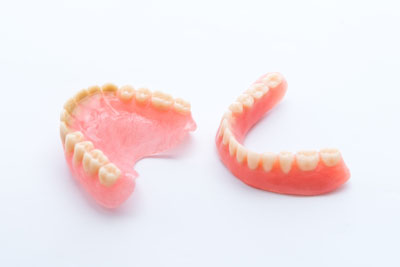
    DenturesDentures can replace your teeth so that if you have, for whatever reason, lost one or more, of your adult teeth, you do not have to go through life feeling self-conscious every time that you smile. Depending on how many teeth you have lost, you can be fitted with either a full or a partial denture, which is usually a removable replacement for missing teeth. If you want to have fewer problems chewing, you may want to consider making an appointment with our office. After thoroughly examining your mouth, we will recommend the best replacement for your missing teeth.

    After you get dentures, there is a relatively short breaking in period, during which you will learn how to eat, speak, and take care of your them. During this time, you will gradually get more and more comfortable.

    Adhesives For Dentures

    While today’s dentures are far better fitting, thus more comfortable than those made even a generation ago, many people use dental adhesive even if they have a well fitting denture. The reason for this is because many people often feel more secure with the added stability, and biting capability that an adhesive gives. However, an adhesive should never be used to fix an ill-fitting denture. Instead, visit our dental office in Mason so that we can make the necessary adjustments. Adhesives are generally safe to use, so long as people follow a few basic common sense rules.

    For example, always use the least possible amount of adhesive. People need to apply less than what they think they will need and spread it in a thin layer on a scrupulously clean denture. If, after some time, one begins to feel that a little more adhesive is necessary, then patients can always reapply more. If, after putting dentures in the mouth, the adhesive oozes out of the side, then the patient has probably put too much on the teeth incorrectly. In the case of an upper set, apply a thin strip of adhesive down the center and along each ridge. A lower set only requires a thin strip of adhesive in the very center of the ridged area.

    Other facts to know about dental adhesive

    The dental adhesive is also available in powder form, which has some distinct advantages over the paste. One advantage is that the powder is easier to clean off. If an individual decides to use powder, then he or she needs to sprinkle a light, but uniform, layer over the underside of the denture. Shake off any excess, and then press the denture into place.

    In rare cases, people are allergic to one or more ingredients in the adhesive demonstrated by itchiness or hives. In this case, the individual needs to remove the denture immediately, thoroughly cleaning the dentures and mouth. One must not attempt to use the adhesive again, but see a dentist for advice and help.

    When removing your dentures fixed with adhesive, it may help to first swish a few mouthfuls of warm water around your mouth which will help loosen the adhesive. Remove the dentures by gently wiggling them back and forth while simultaneously pulling them towards the front of your mouth. You can rub a washcloth over your gums to remove any remaining traces of adhesive, and then soak your dentures in effervescent denture tablets that are designed to clean them. For more tips on how to care for your dentures, give our office a call at (513) 339-1032.


    Related Posts

    October 16, 2017

    Tips for Caring For Your New Set of Dentures

    Dentures can replace your teeth so that if you have, for whatever reason, lost one or more, of your adult teeth, you do not have to go through life feeling self-conscious every time that you …

    January 12, 2018

    What Are Implant Supported Dentures?

    The transition to dentures can be both an exciting and unnerving time in your life. First of all, your lifestyle is going to improve immeasurably: you’ll be able to eat, talk, swallow and smile in …

    March 20, 2018

    What Are TMJ Symptoms?

    Temporomandibular joints better-known as TMJ connect your jawbone to your skull. There is one on each side of your face. Your TMJ act as sliding hinges, allowing you to move your jaw when you speak, …

    February 16, 2018

    Schedule a Dental Restoration and Save Your Tooth

    Many people lose hope when they realize their tooth is facing decay, but our dental restorations can save your tooth. When you have a cavity or another form of damage, it is imperative that you …


  • Get Health Questions Answered by a General Dentist

    Get Health Questions Answered by a General Dentist

    DentistHave you been to our general dentist office lately? If not, it is time to brush up on your knowledge of oral health. Most people know that they should brush their teeth, visit a dentist, drink milk and avoid sugar. That, however, is often the extent of the knowledge people have relating to their teeth. In our office, we want you to be an educated patient because that will help you to make the choices necessary to keep your teeth and gums healthy all year long. With that in mind, we have made a list of the questions we are regularly asked by patients and our answers to them.

    General Dentist FAQ’s

    Can I get by with brushing once a day?

    No, we do not recommend only brushing once per day. This is dangerous for your oral health. In fact, if it were up to us, you would brush your teeth three times per day. Brushing your teeth is critical for removing plaque and bacteria before they can cause gum disease or a cavity to form. The best defense you have is being proactive in removing things from your teeth as quickly as possible.

    If you are in a situation that will not allow for you to brush throughout the day, you should at least rinse your mouth after every meal or snack. Still, we recommend using a soft toothbrush and fluoride toothpaste while brushing for two minutes, twice a day, every day.

    Why is my breath stinking right after I am done brushing?

    You may have gum disease. This is a common condition that starts when the plaque becomes stuck underneath your gums. Most of the time, you will also have other symptoms like swollen or red gums that accompany the bad breath. Otherwise, you may be suffering from dry mouth or a lack of saliva. A dry mouth will smell stale where a moist mouth will be fresh.

    Simply drink more water and avoid anything that could dehydrate you. As a general dentist, we can treat your bad breath by finding what the underlying cause is, so call our office if you are dealing with this challenge.

    Do I have to get my cavity treated?

    If you want to avoid a major toothache and intensive procedure, then treating the cavity is the best solution. Treating your cavities immediately is the best option for preventing future irritation. When a cavity is small, the treatment is fast, easy and comfortable. We simply remove the decayed area, clean the tooth, and restore the tooth structure with a crown or filling. Many people simply ignore the discomfort, which is not wise because failure to treat a cavity can help it spread.

    I have headaches and my teeth hurt, why?

    In our general dentist office, we have found that it is incredibly common to develop a toothache or headache after an episode of nighttime grinding. Unfortunately, grinding your teeth can lead to your teeth becoming chipped. If you suffer from this condition, it is entirely treatable. Simply wear a mouthguard at night and your teeth will be unable to touch or grind. To learn more, call our general dentist office at (513) 339-1032.

  • Be Ready for a Dental Emergency

    Be Ready for a Dental Emergency

    Dental EmergencySince you never know when a dental emergency will strike, so it is best to prepare for the worst. Imagine spending a nice Saturday morning at your child’s baseball game, when your child gets hit in the face with a ball and out goes a tooth. In other cases, one may chip a tooth while eating dinner at night after most dental offices close. It is crucial to know what to do and where to turn.

    Be ready for a dental emergency: Steps you can take

    There are certain steps you can take when an emergency strikes, before visiting the dentist.

    If someone has a toothache…

    Start by brushing the teeth. Sometimes, a toothache is due to food that is high in sugar or acid coming in contact with a sensitive tooth. Brushing and flossing can help to remove the food that is causing the irritation. If that is all that is necessary, the toothache should go away within the hour.

    However, if a toothache persists, it is wise to visit the dentist right away. In the meantime, ibuprofen can help minimize the discomfort. Also, avoid anything too hot or too cold and eat soft foods.

    If a tooth becomes cracked or chipped…

    Be sure to rinse the mouth with clean water. An individual may need to rinse the mouth several times to remove any debris. If the tooth has chipped, the individual needs to spit into cupped hands to salvage the piece of the tooth if possible. Next, take ibuprofen to dull the pain and ice the area to address any surrounding swelling prior to visiting the dentist.

    If a tooth is knocked out…

    If a tooth is knocked out, there is likely to be significant dental trauma to the teeth around the one that was knocked out, the gums and to the face. It is important to rinse and see if the tooth is still in the mouth. If not, try and have someone else locate the tooth. Gently rinse the tooth off, place it in a cup of milk and bring it to the dentist office. In some cases, the dentist may be able to reattach it.

    To combat discomfort, take ibuprofen but not aspirin, since this can lead to excessive bleeding. Placing ice on the area for 15 minutes at a time can also help. If the area is bleeding profusely, use gauze to try and stop it. People can pick up gauze at any drug store and even some grocery stores. Continue to pack the area with gauze until the bleeding stops.

    Who to call in a dental emergency

    after dealing with the excessive bleeding or another urgent injury, seek an emergency dentist. Some dentists offer emergency care and keep room in the schedule to see patients at the last minute. It is wise to identify one of these dentists before an emergency occurs.

    This way, if something happens, it is possible to visit the dentist immediately, rather than needing to wait a week or two for an open appointment. If the individual sustains head trauma or other injuries alongside a dental injury, it is best to seek an ER or urgent care first. While these professionals will not be able to treat the tooth, they can triage and treat all other wounds.

    If the emergency is only related to the tooth, seek an emergency dentist.While these doctors are highly trained, they are not trained in how to treat a dental emergency and are likely to refer you to a dentist anyway. Keep our office number on speed dial and you will always know what to do and who to call in a dental emergency.


    Related Posts

    August 31, 2017

    Be Ready for a Dental Emergency

    Since you never know when a dental emergency will strike, so it is best to prepare for the worst. Imagine spending a nice Saturday morning at your child’s baseball game, when your child gets hit …

    March 20, 2018

    What Are TMJ Symptoms?

    Temporomandibular joints better-known as TMJ connect your jawbone to your skull. There is one on each side of your face. Your TMJ act as sliding hinges, allowing you to move your jaw when you speak, …

    February 16, 2018

    Schedule a Dental Restoration and Save Your Tooth

    Many people lose hope when they realize their tooth is facing decay, but our dental restorations can save your tooth. When you have a cavity or another form of damage, it is imperative that you …

    January 12, 2018

    What Are Implant Supported Dentures?

    The transition to dentures can be both an exciting and unnerving time in your life. First of all, your lifestyle is going to improve immeasurably: you’ll be able to eat, talk, swallow and smile in …


  • How Long Does It Take To Whiten Your Teeth?

    How Long Does It Take To Whiten Your Teeth?

    Teeth WhiteningWhen patients consider a teeth whitening procedure, the first question they want to ask is, “how long does it take to whiten your teeth?” However, the answer largely depends on the condition of the teeth, why they are discolored in the first place, and the type of treatment of the patient wants. There are many different treatment options available for teeth whitening. We can set up a schedule for the patient depending on availability and how quickly the patient wants to whiten his or her teeth.

    Most of the time, we can complete in-office teeth whitening within an hour or two. In some cases, the patient may need a follow-up treatment. It is also important for a patient to understand the process of whitening teeth and why a professional whitening is much more effective than at-home remedies.

    The method

    Teeth whitening involves the use of chemicals that penetrate the enamel of the teeth and work from the inside out to professionally bleach the teeth. Professional bleaching is the most usual method of whitening and the dental team will work with the patient to explain the process thoroughly. For a proper teeth whitening procedure, we need to apply an active ingredient. Thus, we apply the whitening product to the teeth using a specific tray that resembles a mouth guard.

    In order to make sure that the tray specifically fits over a patient’s teeth,  an imprint of the patient’s teeth is necessary. We will also need to mold the tray to match all of the nuances of a patient’s particular set of teeth. This ensures that the whitening substance goes on all areas of the teeth for an equal whitening, without affecting the gums.

    We then place a whitening substance of hydrogen peroxide or carbamide peroxide into the whitening tray and fit it over the teeth. The active ingredient then breaks down and delivers oxygen into the enamel of the teeth, lighting the tooth color.

    How long does it take to whiten your teeth?

    When it comes to teeth whitening, it is essential to understand that the amount of whitening necessary depends on the amount of stain on the teeth. Professional teeth whitening treatment typically takes three to four weeks.

    First, the dental team needs to make the mouth guard using impressions to ensure that the teeth whitening solution goes on all the teeth. Once the treatment begins, typically from the comfort of home, it will involve regularly applying the whitening product over a space of two to four weeks. The amount of application can depend on the amount of stain. Mostly, these treatment sessions last for roughly 30 minutes to an hour at a time. The alternative to dentist-created whitening trays and solution is to visit the dental office for an in-office treatment. We can usually complete an in-office treatment in one or two visits and produce results within a matter of hours.

    Over the counter and in home teeth-whitening kits tend to take at least a month of wearing mouthpieces every night before they start to have an effect. Additionally, over-the-counter products use mouthpieces that can get the solution on the gums, and not cover all the teeth.

    Get started

    Whitening teeth is faster and easier when working with a dentist. Call today to schedule an appointment or to learn more about what it takes to whiten your teeth.


    Related Posts

    June 15, 2017

    How Long Does It Take To Whiten Your Teeth?

    When patients consider a teeth whitening procedure, the first question they want to ask is, “how long does it take to whiten your teeth?” However, the answer largely depends on the condition of the teeth, …

    March 20, 2018

    What Are TMJ Symptoms?

    Temporomandibular joints better-known as TMJ connect your jawbone to your skull. There is one on each side of your face. Your TMJ act as sliding hinges, allowing you to move your jaw when you speak, …

    February 16, 2018

    Schedule a Dental Restoration and Save Your Tooth

    Many people lose hope when they realize their tooth is facing decay, but our dental restorations can save your tooth. When you have a cavity or another form of damage, it is imperative that you …

    January 12, 2018

    What Are Implant Supported Dentures?

    The transition to dentures can be both an exciting and unnerving time in your life. First of all, your lifestyle is going to improve immeasurably: you’ll be able to eat, talk, swallow and smile in …


  • Visit an Implant Dentist in Mason to Restore Your Smile

    Visit an Implant Dentist in Mason to Restore Your Smile

    Implant DentistAs an implant dentist office in Mason, Healthy Smiles Dental Care is extremely proud to be part of a technological advancement that is changing lives in regard to tooth loss. The reality for too many generations was that tooth loss led to removable dentures with clasps, or fixed bridges crowning teeth at both ends, all of which were used to hold their new fake teeth in place. With the introduction of dental implants, your implant dentist gives you the option to replace the lost tooth with one that looks, feels, and functions exactly like the original. Even more impressively, dental implants replace the lost root of the tooth in addition to the visible surface, known as the crown. For many people, this revolutionary new way of replacing teeth has led to questions.

    Important Information

    Our patients want to know how long dental implants typically last, the procedures involved in placing a dental implant, and whether or not they are eligible to take advantage of implants. We discuss all of this and more during the initial consultation. For anyone considering dental implants, patients should know that almost anyone can get them. There are a few restrictions that patients should be aware of since dental implantation requires a minor surgical process.

    In order to get dental implants, the patient should be healthy enough for oral surgery. There are also a few conditions and habits that preclude one from getting dental implants, something the implant dentist will go over. It is imperative to tell the dentist all of the medical conditions. The patient needs to bring up any medications he or she may be taking (including herbal or other non-traditional medication), and habits, like smoking or consuming alcohol, ahead of time.

    The Dental Implant Procedure

    Success for an implant dentist is measured in the number of decades the patient successfully uses the dental implant, decades, not just years. Even with more conservative estimates, patients have a very good chance that the prosthetics are permanent. Healthy Smiles Dental Care carefully prepares the patient for the process, taking every precaution to ensure that there are no issues, like infection, that may cause the implant to fail. While this can be time-consuming, it is necessary for success.

    The journey toward having implants will begin with an extremely comprehensive examination to determine the overall health of the mouth. We will use dental imaging like X-rays, photographs and clinical measurements to make sure that the jawbone has enough bone to support an implant.

    Bone graft alternative

    For many patients, we can proceed directly to the implant stage directly after the exam, which is known as an immediate implant placement. If we discover that the jawbone does not have the amount of bone necessary, one option is to perform an alveolar bone graft, which targets the upper portion of the jawbone inside the mouth. This bone graft can create more jawbone that is sufficient enough to successfully place the implant. Bone grafts require about six months of healing before we can proceed to implant placement.

    With our Bicon short implants, less bone is needed and Bicon short implants have an excellent success rate. As a short Bicon implant dentist in Mason, Healthy Smiles Dental Care can often help patients avoid the expense and delay of a bone graft. If you need a bone graft, ask whether you are a candidate for a Bicon short dental implant. If you are seeking an implant dentist near Mason please call us at (513) 339-1032.


    Related Posts

    May 15, 2017

    Visit an Implant Dentist in Mason to Restore Your Smile

    As an implant dentist office in Mason, Healthy Smiles Dental Care is extremely proud to be part of a technological advancement that is changing lives in regard to tooth loss. The reality for too many …

    March 20, 2018

    What Are TMJ Symptoms?

    Temporomandibular joints better-known as TMJ connect your jawbone to your skull. There is one on each side of your face. Your TMJ act as sliding hinges, allowing you to move your jaw when you speak, …

    February 16, 2018

    Schedule a Dental Restoration and Save Your Tooth

    Many people lose hope when they realize their tooth is facing decay, but our dental restorations can save your tooth. When you have a cavity or another form of damage, it is imperative that you …

    January 12, 2018

    What Are Implant Supported Dentures?

    The transition to dentures can be both an exciting and unnerving time in your life. First of all, your lifestyle is going to improve immeasurably: you’ll be able to eat, talk, swallow and smile in …